Study Skills for Neurodivergent Learners
How to revise effectively, stay focused, and build confidence
Revision isn’t one-size-fits-all. If you think differently, learn differently, or find traditional study methods overwhelming, that’s okay. Being neurodivergent—whether that means you’re autistic, dyslexic, ADHD, or simply have a unique learning style—doesn’t stop you from revising effectively. It just means you need strategies that suit you .
1. Find Your Learning Style
Not all revision works the same for everyone. Try different approaches:
Visual learners: Use colour-coded notes, diagrams, or mind maps.
Auditory learners: Record yourself explaining a topic, or listen to revision podcasts.
Kinesthetic learners: Try “blurting” (writing everything you remember without looking at notes) or hands-on activities.
2. Break It Down
Large tasks can feel impossible. Break them into small, manageable chunks:
20 minutes on fractions
20 minutes on percentages
5-minute movement break
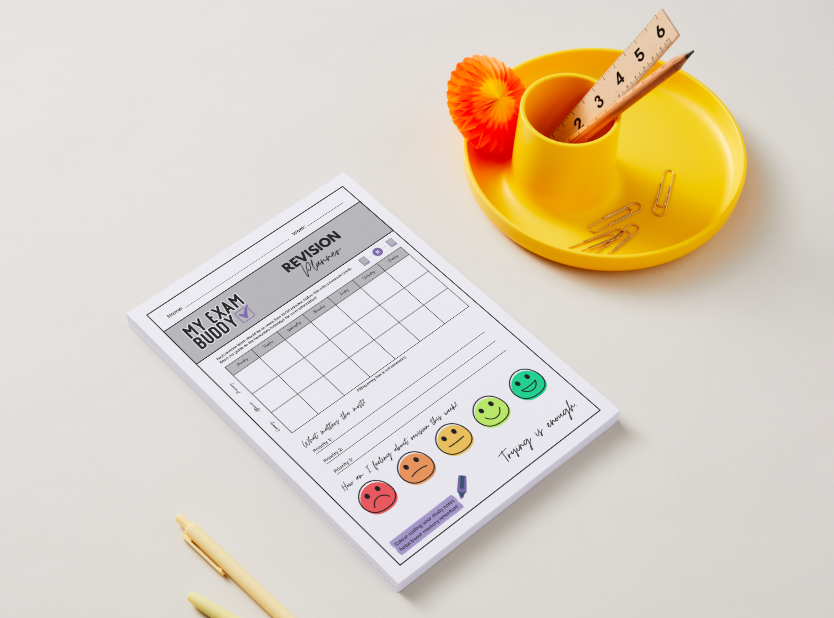
Small wins build confidence and reduce overwhelm. Using a revision timetable can help keep these sessions organised without pressure.
3. Make Use of Active Revision
Active revision is when you’re testing yourself , not just reading notes. Methods include:
Blurting: Close your book and write everything you remember. Check the gaps and repeat.
Flashcards: Cover the answers and quiz yourself.
Past papers: Attempt questions under exam conditions, then mark yourself.
Even if it feels hard, that’s a good sign—it means your brain is learning.
4. Manage Sensory Needs
Your environment can make a huge difference. Some students are sensitive to light, sound, or touch. Others find movement or background noise helps focus. Tips:
Use ear defenders, headphones, or soft music if you’re distracted by noise.
Stand up, stretch, or use a fidget if sitting still is hard.
Adjust lighting or temperature so your study space feels comfortable.
5. Build in Breaks and Self-Care
Take a 5–10 minute break every 25–30 minutes.
Stretch, breathe, or step outside for fresh air.
Hydrate and snack — low blood sugar can make concentration harder.
Self-care isn’t optional. It helps you revise better.
6. Use Tools That Support You
Technology and visual aids can make a huge difference:
Apps like Quizlet or Anki for flashcards
Digital planners or timers to structure study blocks
Colour-coding, sticky notes, or whiteboards for visual organisation
7. Set Realistic Goals
Focus on progress, not perfection:
Pick 2–3 key topics per session
Celebrate small wins (“I finished my fractions practice today”)
Remember: effort matters more than being perfect
8. Ask for Support
Even independent learners benefit from guidance. Reach out if:
You’re struggling to organise revision
You need clarification on a topic
Anxiety or sensory challenges feel overwhelming
Revise in ways that suit your brain , not anyone else’s.
Small, active, manageable study sessions beat long passive hours.
Sensory-friendly spaces, breaks, and realistic goals help you stay focused.
Use tools, routines, and support to make revision easier and more enjoyable.
Revision isn’t about perfection — it’s about strategies that work for you, building confidence, and showing up for yourself every day. Download our free revision planner to start planning smarter today!